

Leaves’ symbolism in the Bible carries a depth that often goes unnoticed, yet it speaks straight to the heart. The Bible uses leaves as vivid pictures of strength, renewal, and the quiet ways God works in everyday life. When Scripture talks about leaves that do not wither, it points to steady faith planted in His truth. You also see the gentle spiritual meaning of leaves in stories that show healing, hope, and life rising again. Each verse becomes a soft reminder that God guides your growth just as He nurtures every tree standing beside flowing water.
These symbols don’t stop at hope and healing. The Bible also uses withered leaves in Scripture to reveal moments of spiritual dryness and the need to turn back to God. In contrast, bright branches reflect God’s provision in nature, showing His care in every season. Together, these images weave rich biblical symbolism of leaves that draws you in, sparking curiosity and reflection. They help you see nature not as background scenery but as a living illustration of God’s love, restoration, and continual work in your life.
Leaves as a Sign of Life
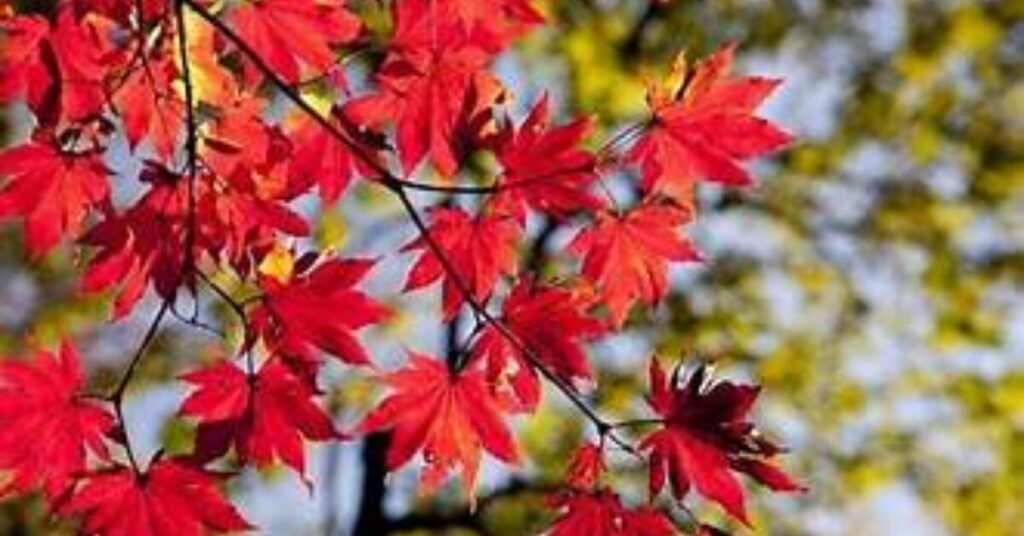
Leaves’ symbolism in the Bible often points to life, growth, and spiritual vitality. When the Bible describes flourishing leaves, it shows how a person connected to God thrives. Just like a tree planted by water, our faith grows strong and steady when rooted in Him. Every green leaf reminds us that life in God is vibrant and fruitful, reflecting His care and guidance in our daily walk.
Psalm 1:3 says, “He is like a tree planted by streams of water, which yields its fruit in season and whose leaf does not wither.” This verse shows that staying close to God nourishes your life and keeps you spiritually healthy. Jeremiah 17:8 adds, “They will be like a tree planted by the water… its leaves are always green.” Even in tough seasons, your faith can remain strong and flourishing.
Ezekiel 47:12 highlights, “Their leaves will not wither, nor will their fruit fail.” God provides continuous nourishment, allowing us to grow and stay fruitful. Revelation 22:2 tells us, “The leaves of the tree were for the healing of the nations.” This shows that life in God not only strengthens us but also brings restoration to others.
Finally, Isaiah 6:13 reminds us, “As a terebinth or oak leaves a stump… the holy seed will be the stump of the people.” Even when life seems cut down, God preserves hope and a seed of renewal. Together, these verses show that leaves in Scripture symbolize life, growth, and God’s constant care, helping us stay rooted in Him.
Leaves as a Sign of Healing
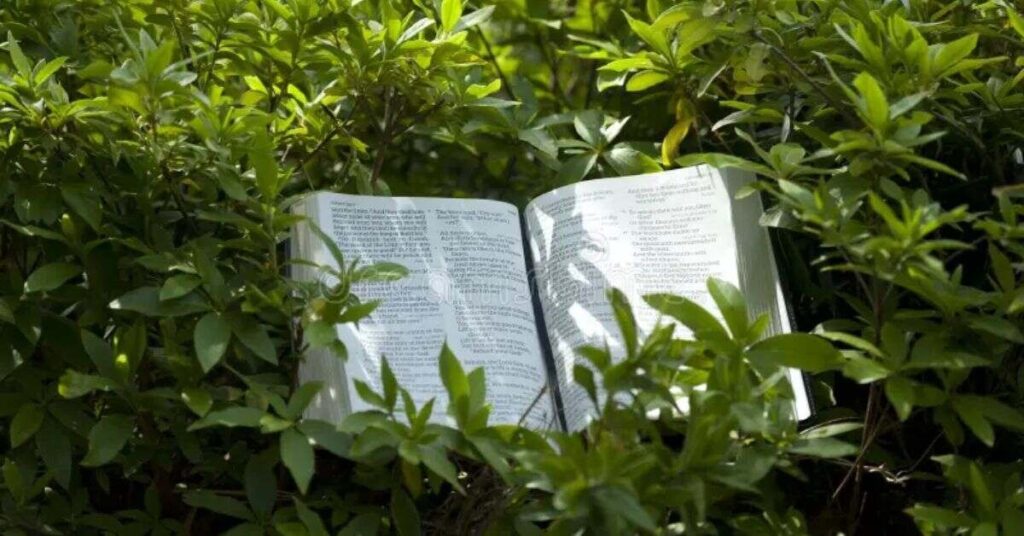
Leaves symbolism in the Bible often represents healing, restoration, and God’s nurturing care. Just as leaves bring life to a tree, God’s presence brings strength and recovery to our hearts. When Scripture mentions leaves, it reminds us that divine healing is available to everyone who seeks it. These images show that God’s care is not temporary but continuous, offering nourishment for both body and spirit.
Ezekiel 47:12 says, “Their leaves will not wither, nor will their fruit fail. Their leaves will be for healing.” This verse shows how God’s provision brings restoration and sustenance. Revelation 22:2 adds, “The leaves of the tree were for the healing of the nations.” It highlights that God’s healing is not just personal but extends to all people.
Psalm 1:3 describes, “He is like a tree planted by streams of water, whose leaf also shall not wither; whatever he does prospers.” A life rooted in God’s Word remains spiritually healthy and flourishing. Genesis 3:7 shows the first human attempt at covering shame: “They sewed fig leaves together and made themselves coverings.” It reminds us that human efforts are temporary, but God’s healing is lasting.
Finally, Jeremiah 8:22 asks, “Is there no balm in Gilead? Is there no physician there? Why then is there no healing for the wound of my people?” This verse points to God as the ultimate source of restoration. Together, these passages reveal that leaf symbolism in the Bible is a beautiful picture of God’s healing power, showing that true recovery comes from His mercy and care.
Leaves as a Sign of Change
Leaves symbolism in the Bible often represents change, transformation, and the cycles of life. Just like leaves grow, fall, and regrow, our spiritual journey goes through seasons of growth, challenge, and renewal. Scripture uses leaves to show that change is natural, and God is present in every stage of life. These verses remind us that even difficult seasons can lead to new beginnings and spiritual growth.
Matthew 24:32 says, “Now learn this lesson from the fig tree: As soon as its branches become tender and its leaves come out, you know that summer is near.” Here, leaves signal the arrival of a new season, teaching us to recognize God’s timing in our lives. Isaiah 34:4 adds, “The leaves will wither from the grapevine, and the fig tree, and what is sown will shrivel.” This verse shows that change can also mean endings, reminding us of the impermanence of worldly things.
Isaiah 64:6 states, “We all shrivel up like a leaf; our sins sweep us away like the wind.” It compares human weakness and sin to falling leaves, showing that change often brings reflection and repentance. Job 13:25 says, “Will You torment me like a wind-blown leaf, and chase me like straw?” Even in suffering, Job’s comparison to leaves shows vulnerability and the need for God’s guidance through changing circumstances.
Finally, Mark 11:13 describes, “Seeing a fig tree in full leaf, He found nothing but leaves because it was not the season for figs.” This teaches that appearances of life may not always show true fruit, highlighting spiritual readiness. Together, these verses show that leaf symbolism in the Bible reflects change, growth, and God’s careful work in every season of life.
Leaves as a Sign of Judgment
Leaves symbolism in the Bible often conveys judgment, warning, and the consequences of turning away from God. Withered or falling leaves frequently illustrate spiritual decay and the results of disobedience. Just as a tree’s leaves wither without water, people without God’s guidance face emptiness and loss. Scripture uses these images to remind us to stay faithful and rooted in His Word.
Isaiah 1:30 says, “You will be like a withered leaf, like a tree that is not nourished, and as a garden without water.” This verse shows that turning from God leads to barrenness and spiritual decline. Jeremiah 8:13 adds, “There will be no harvests for them, not even figs or grapes from the fruit trees; they will die, and all will be gone.” It emphasizes the consequences of neglecting God’s commands.
Hosea 9:16 states, “The leaves will dry up; they will not bear fruit.” Here, the imagery of drying leaves illustrates the failure and emptiness caused by sin. Isaiah 64:6 compares people to withered leaves: “We all shrivel up like a leaf, and our sins sweep us away like the wind.” This shows how sin separates us from God’s protection and life.
Finally, Isaiah 34:4 says, “All the heavens will melt away like scrolls, the stars will fall, like withered leaves or shriveled figs from a fig tree.” This verse portrays God’s final judgment, using leaves to illustrate impermanence and decay. Together, these passages reveal that leaf symbolism in the Bible warns us about judgment, spiritual decline, and the importance of staying rooted in God’s truth.
Leaves as a Sign of Beauty
Leaves symbolism in the Bible often represents beauty, abundance, and the glory of God’s creation. Their vibrant colors, growth, and patterns remind us of His creativity. Scripture uses leaves to show the splendor of life and the joy found in God’s provision.
Psalm 104:14 says, “He makes the grass grow for the livestock, and plants for people to cultivate, bringing forth food from the earth. He also provides trees with leafy branches.” This verse highlights how leaves display God’s abundance and thoughtful care for all living beings. Genesis 1:29 adds, “I give you every seed-bearing plant on the face of the earth and every tree that has fruit with seed in it.” It shows how God’s creation provides beauty and sustenance for humanity.
Psalm 96:12 describes, “Let the trees of the forest sing, let them sing for joy before the Lord.” Here, leaves and trees symbolize the joyful praise of creation. Song of Solomon 2:12 says, “The leaves on the blossoming plants begin to flourish.” This verse celebrates the freshness and renewal of life, portraying leaves as a sign of flourishing beauty.
Finally, Isaiah 55:12 states, “All the trees of the field will clap their hands.” The imagery of leaves and trees rejoicing shows God’s glory reflected in nature. Together, these passages reveal that leaves symbolism in the Bible conveys beauty, joy, and the richness of God’s creation, encouraging us to appreciate the divine artistry in the world around us.
Leaves as a Sign of Shelter
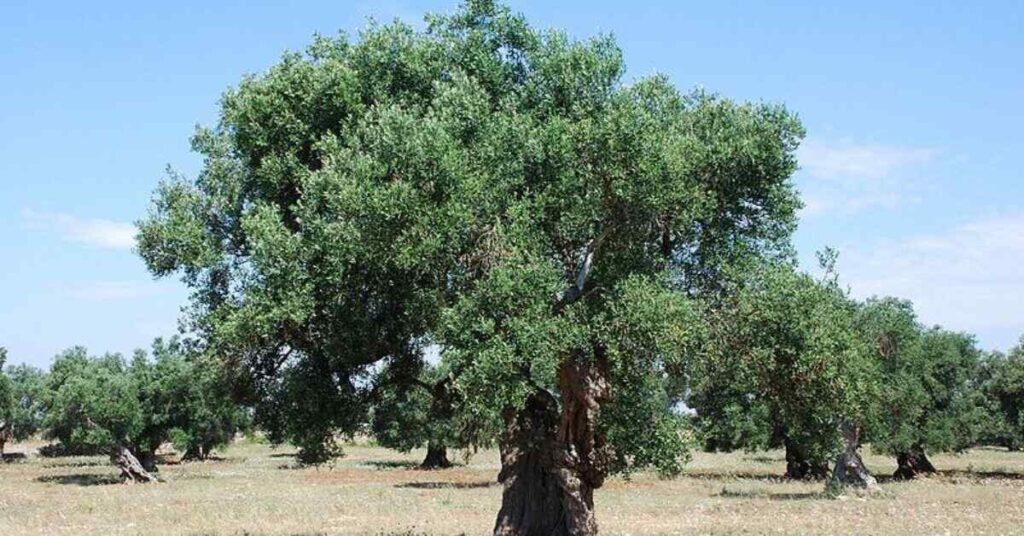
Leaves symbolism in the Bible often represents shelter, protection, and God’s care. Just as leaves provide shade and refuge for creatures, God offers safety and rest for His people. Scripture uses leafy trees and plants to show His provision and the comfort found in His presence. These verses remind us that God’s care surrounds us even in difficult times.
Jonah 4:6 says, “The Lord God provided a leafy plant and made it grow up over Jonah to give shade for his head, to ease his discomfort.” This verse shows God’s kindness and protection. Psalm 121:5 adds, “The Lord watches over you; the Lord is your shade at your right hand.” Here, God is compared to a protective canopy, offering comfort and security.
Matthew 13:32 describes, “Though it is the smallest of all seeds, yet when it grows, it is the largest of garden plants and becomes a tree, so that the birds come and perch in its branches.” This illustrates how God’s kingdom provides shelter and safety for everyone who seeks Him. Ezekiel 17:23 says, “It will produce branches and bear fruit and become a splendid cedar. Birds of every kind will nest in it; they will find shelter in the shade of its branches.” The verse shows protection and refuge through growth and divine care.
Finally, Isaiah 32:2 states, “Each one will be like a shelter from the wind, and a refuge from the storm, like streams of water in the desert.” Together, these passages reveal that leaves symbolism in the Bible teaches us about God’s sheltering presence, His protection, and His care during life’s storms, offering comfort and rest to all who trust Him.
What Does the Bible Say About Leaves
The symbolism in the Bible carries deep spiritual meaning. Leaves often represent life, growth, and renewal. They show how connected we are to God, just as a tree relies on water and sunlight. When people remain rooted in God, they flourish spiritually, like healthy leaves on a tree. Scripture frequently uses leaves to illustrate vitality, healing, and God’s provision for His creation.
Leaves also symbolize healing and restoration. In Ezekiel 47:12, “Their leaves will not wither, nor will their fruit fail… and their leaves for healing.” This shows that God nourishes and restores life continuously. Revelation 22:2 says, “The leaves of the tree were for the healing of the nations.” Leaves represent the hope and renewal that God brings to all people. Even in times of difficulty, God’s care allows us to grow, recover, and find strength.
Finally, leaves reflect change, beauty, and protection. They remind us of the cycles of life and the importance of spiritual growth. Leaves can symbolize shelter, as in Psalm 121:5, “The Lord is your shade at your right hand.” They also show the beauty of God’s creation, reflecting His glory in every season. Overall, the leaves’ symbolism in the Bible teaches us about life, healing, change, and protection. Leaves invite us to trust in God’s guidance, stay rooted in faith, and experience His continuous care in every part of our lives.
Conclusion
Leaves’ symbolism in the Bible reveals powerful spiritual lessons. Leaves represent life, growth, healing, and renewal. They remind us that staying rooted in God brings vitality and strength. Leaves also show change, reflecting the cycles of life and the need for spiritual growth.
Leaves symbolize beauty and God’s provision, highlighting His care for all creation. They offer shelter and protection, illustrating His comfort in times of trouble. Scriptures like Psalm 1:3 and Ezekiel 47:12 show that leaves reflect both spiritual flourishing and divine healing.
Overall, leaves symbolism in the Bible encourages us to trust God, embrace growth, and find hope in His restoration. Leaves remind us to stay connected to Him, flourish in faith, and experience His care every day.
FAQ’s about leaves’ symbolism in the Bible
1. What does the leaves’ symbolism in the Bible represent?
Leaves often symbolize life, growth, healing, and spiritual renewal in Scripture.
2. How do leaves show life in the Bible?
Leaves represent vitality and flourishing, especially for those rooted in God, like a tree by water (Psalm 1:3).
3. Can leaves symbolize healing?
Yes. Leaves often indicate restoration and God’s care, as in Revelation 22:2.
4. Do leaves in the Bible show change?
Absolutely. They reflect life cycles, spiritual growth, and the need for renewal (Matthew 24:32).
5. What do withered leaves mean?
Withered leaves often symbolize judgment, sin, or spiritual decay (Isaiah 1:30).
6. Can leaves represent beauty?
Yes. Leaves display God’s creation, abundance, and glory (Psalm 104:14).
7. How do leaves symbolize shelter?
Leaves and trees provide shade, showing God’s protection and care (Psalm 121:5).
8. Are leaves linked to faith?
Yes. Spiritual growth is like healthy leaves, connected to God and bearing fruit.
9. Do leaves show God’s provision?
Leaves often signify His nourishment, abundance, and constant care (Ezekiel 47:12).
10. Why study leaves symbolism in the Bible?
Understanding leaves helps us see God’s lessons in life, growth, healing, and protection.
